About us
Loyola Estate is situated in the Lower Pulney Hills in Dindigul District of Tamil Nadu, India. The estate is spread over an area of 150 acres with Coffee and other plantation and horticultural crops.
Legacy
The history of Loyola Estate can be traced back to 1925 when the estate was purchased from the Zamindar of Chatrapatti by the 'Roman Catholic Jesuit Missions'. The Jesuit Missions started the coffee plantation with the help of P.R. Karuppiah Nadar and his sons. Subsequently, in 1985 P.R Karuppiah's son P.R.K. Joseph purchased the estate from the Ar.Bishop of Madurai. His son J. Nagarajan and his grandson N. Peter Naresh presently own and run the estate.
The Loyola Estate brings the experience of four generations by producing high quality coffee for the coffee connoisseurs' world over. We follow high standard of coffee cultivation methods in every stage as recommended by the Coffee Board Research Department
ABOUT LOYOLA
Loyola Estate is situated in the Lower Palani (Pulney) Hills in Dindigul District of Tamil Nadu, India. The estate is spread over an area of 150 acres with the principle crop being Coffee.
At the Loyola Estate, we grow coffee and other plantation/horticultural crops like Cardamom, Orange, Pepper and Banana in an integrated plantation model. Our main crop, Coffee is cultivated under shade at elevations ranging from 4000' to 4300'.
The coffee bushes grow under a carefully maintained natural shade of the native tree species like Artocarpus heterophyllus(Jack), Terminalia bellarica (Thandi), Syzgium jambolana (Nava), Cedrella toona (Santhana vembu), Acrocarpus fraxinifolius (Nelarae), Pterocarpus marsupium (Vengai), and other trees, such as Gmelina arborea (Kumul), Erythrina lithosperma (dadap) and Grevillea robusta (Silver oak).
The rich flora of the estate supports an abundant fauna, including a number of species of birds, butterflies, honeybees and other useful insects, amphibians, reptiles and mammals. The estate is blessed with perennial streams flowing throughout the land, with the check dam spreading over 4.5 acres. Two sides of the estate is bordered by the thick tropical rainforest.
Our story – TIMELINE
The History of our Founders and the generations to follow…
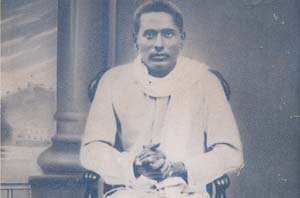
P.R.Karuppiah Nadar, born in 1894, was a man who had a vision that was ahead of his times. He did not want to be ordinary. Even at the age of 16, he wanted to achieve something much more, even though his circumstances were limited. Without a formal education, by sheer determination and hard work, he built an empire for his children. The Catholic mission and Society of Jesus that owned thousands of acres of coffee plantations were on the lookout for a man to sell their coffee who would be dependable and trustworthy. Rev. Fr. Pajus who was the manager of St Mary's estate saw that P.R Karuppiah was more than dependable and trustworthy. He had a quality that bespoke of love, respect and sincerity. He entrusted all the estate's business activities to P.R. Karuppiah and supported him in every idea and business venture. By in 1936, P.R. Karuppiah bought his first car, a Chevrolet in which he travelled near and far, to various places and brought the best coffee seeds for planting in the Palani (Pulney) hills. In the same year, he even imported Hulling and Polishing machines from England. In 1941 he got his license as a Coffee Trader. He was a man who had a vision that the coffee grown in the Palani Hills should be recognized by the world. He wanted the glory of the plantations to reach new heights and to this end he worked tirelessly. His passion, dedication and foresight are still remembered with love and respect by his predecessors.
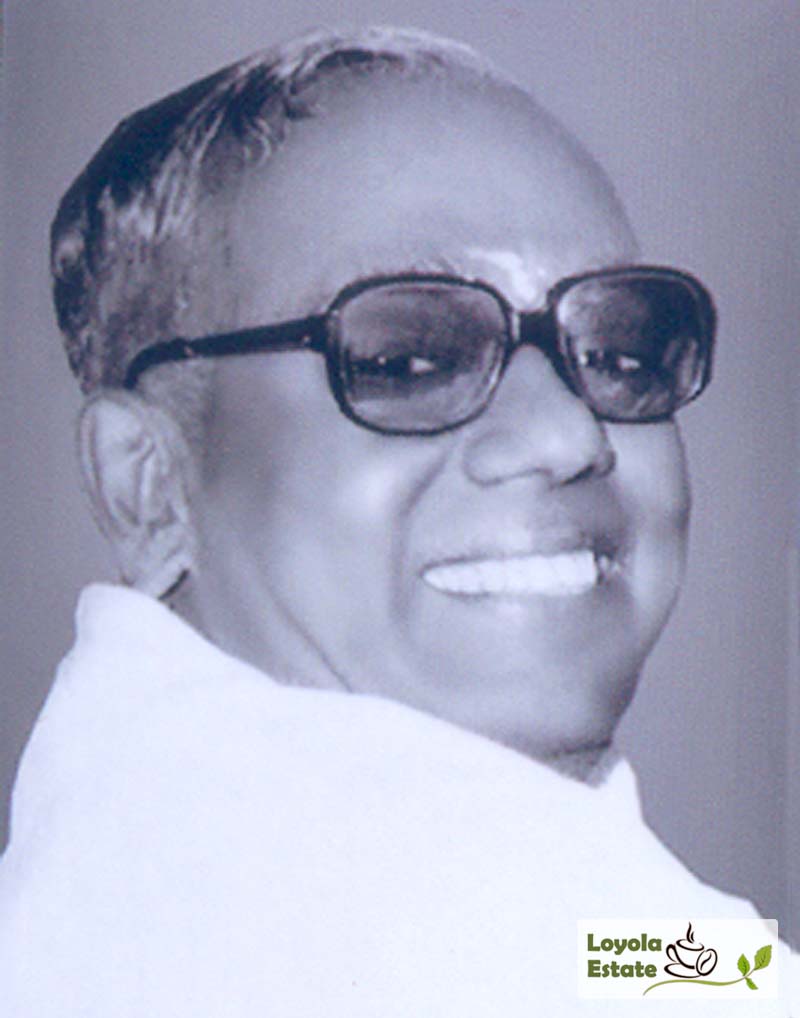
At the young age of 19, K. Joseph took charge of the family business. A philanthropist by nature, he was filled with socialist ideals. His life was an inspiration to all those who knew him. He loved his family and instilled in them the same values and principles that he abided by. He was driven by exceptional commitment to his work.
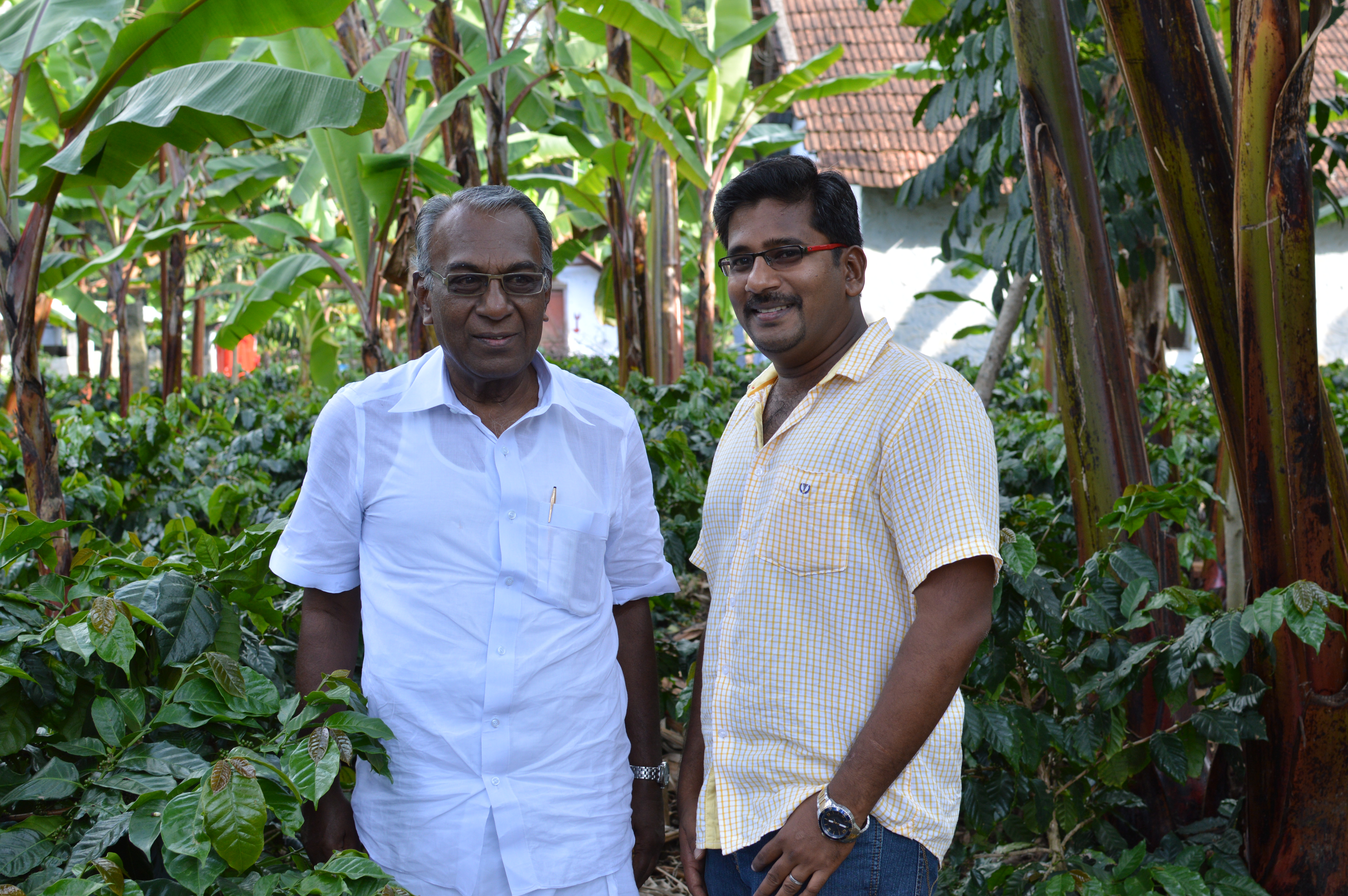
Following in his father's footsteps, J.Nagarajan maintains the family tradition with flair and great passion. A highly principled person at home and also at work, he enriches the family business with his wisdom and acumen. His journey in the coffee industry has taken him through myriad experiences. He makes it a point to impart the rich history of the plantations to his family to ensure that the legacy of his father continues.
Carrying the torch blazing bright is J. Nagarajan's son Peter Naresh, who brings with him innovation along with great zeal. He is dedicated in making the plantation grow to heights unimagined by his grandfather. Armed with technology and a practical use of his education, he has transformed the plantation with modernization. Working hand in hand with his father, they maintain the legacy passed on to them with unwavering dedication. The result is in each coffee bean. The Coffee produced is indeed award winning and has rightly won many accolades.
A LITTLE ABOUT THE FLORA & FAUNA ON LOYOLA
As the sun gently sets, we see a dramatic change taking place at the estate, it slowly transforms into a sanctuary for a lot of wild animals, like the mighty Indian Bison, Deer, Foxes, Rabbits and many more. When these animals start frolicking around, we begin to limit our outdoor activities so that their natural movements and haunts are not disturbed.
Come early morning, one wakes up to the fragrance of fresh blossomed flowers that wafts around in the morning mist. The melody of the early morning birdsong is like a beautiful sonnet being sung. The playful monkeys prancing around the treetops with their cacophony and chatter keeps our days amused.
The natural beauty of the plantation and the wealth of wildlife it supports make the entire estate of Loyola a true pleasure for those living and those visiting there.
Coffee Curing Works
Every employee at Loyola is trained in handling the coffee plants as well as berries to achieve the finest quality of our produce. Come January and it is harvest time at Loyola. The "just ripe" berries are hand-picked, pulped, fermented, washed and sun-dried on tables. The slow dried parchment is packed in clean jute bags and stored at an ambient temperature before further processing into clean coffee beans. Since we process the coffee at our own Coffee Processing Unit – 'Joseph Coffee Curing Works' we can ensure the highest quality standard even at the processing stage.
Media
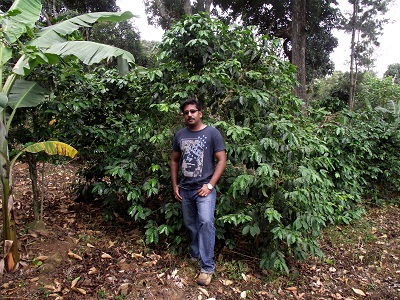
“The exquisite taste of our coffee beans are recognized as ‘Flavour of India – The Fine Cup’,” shares Mr. Peter Naresh with pride. He looks after the family owned and managed Loyola Estate. “We grow coffee in 50% shade to make sure our quality is maintained in the cup and plant health is top priority. Indian coffee plantation are mainly acknowledged worldwide as agro’ forest system that is coffee grown under shade. This is the main reason Indian coffee fetches premium price when compared to other coffee growing countries where it is grown in open cultivation.”
“We are managing the estate from four generations now. Coffee has always been my passion therefore after my graduation from Singapore and a brief work experience in banking sector at Chennai I took over our plantation and processing unit,” he adds.